If you are building a streetwear or apparel brand in the United States, one of the first decisions you will run into is how to print your designs. Two of the most popular methods are puff printing and screen printing, and they look and feel very different on a finished garment.
Both methods have been used by US apparel brands for decades, from small Etsy startups to established streetwear labels selling at retailers across cities like Los Angeles, New York, Atlanta, and Chicago. The right choice depends on your design, your budget, and how long you want the print to last on the shelf and in your customer’s closet.
This guide breaks down puff printing vs screen printing in plain terms: how each one looks, what it costs to set up, how durable it is over time, and which one fits better for streetwear-style designs. By the end, you should have a clear idea of which printing method makes sense for your next production run.
WHAT IS PUFF PRINTING?
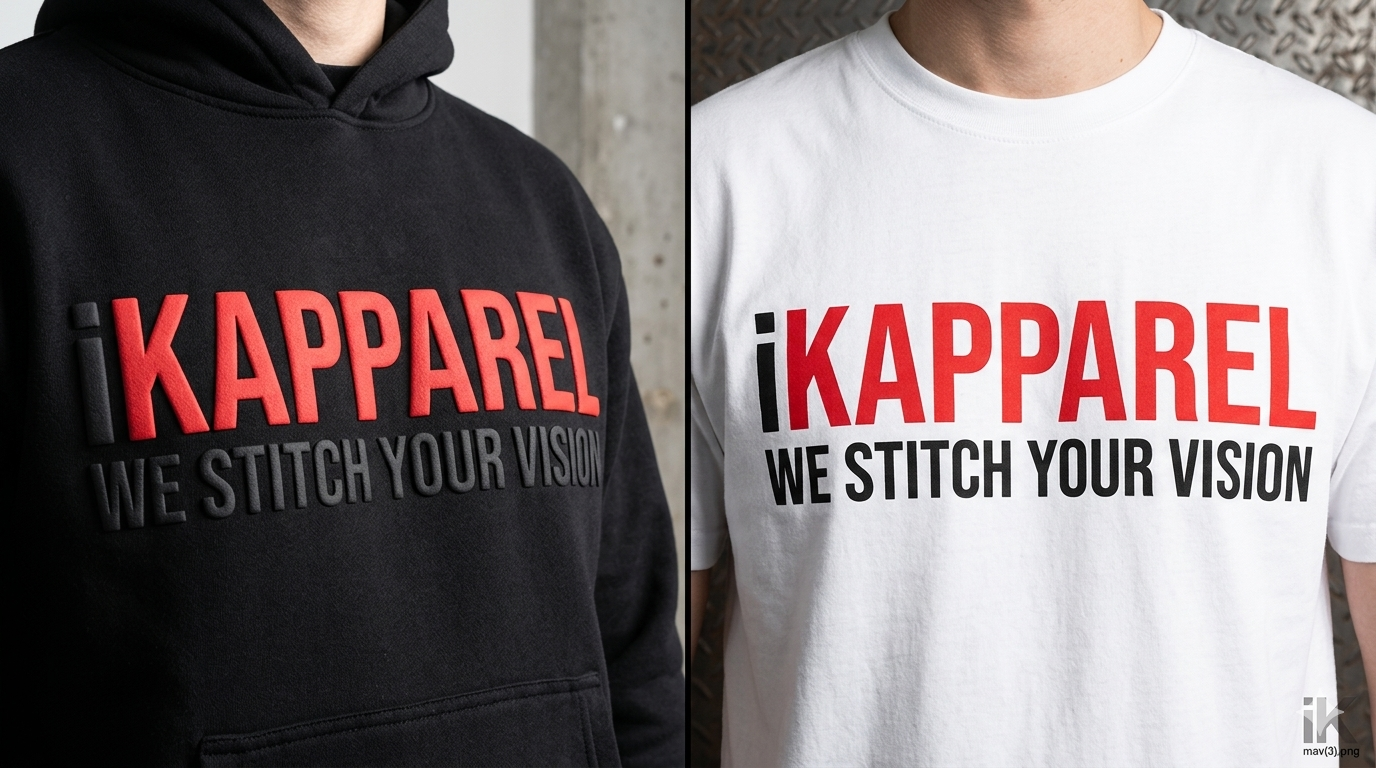
Puff printing is a type of screen printing that uses a special additive mixed into the ink. When the printed garment passes through a heat press or curing oven, the ink reacts to the heat and rises up, creating a raised, 3D effect on the fabric.
This raised texture is what gives puff prints their bold, almost foam-like look. It is commonly used for logos, brand names, and chunky lettering on hoodies, sweatshirts, and oversized tees, which are staples in US streetwear fashion.
Puff printing is technically a variation of screen printing, not a separate process. The screens, mesh count, and basic setup are similar. The main difference is the special puff additive added to the plastisol ink before it is applied to the garment.
WHAT IS SCREEN PRINTING?
Screen printing is one of the oldest and most widely used printing methods for apparel in the US. It works by pushing ink through a mesh screen onto the fabric, using a separate screen for each color in the design.
The result is a flat, smooth print that sits on top of the fabric. Screen printing is known for its vibrant, solid colors and is a go-to choice for brands that print large quantities of the same design, such as event t-shirts, team merchandise, and core streetwear collections.
Because screen printing has been around for so long, most US print shops and overseas manufacturers have the equipment, experience, and pricing structures already in place, which makes it one of the most accessible printing options for new and growing brands.
WHY THIS COMPARISON MATTERS FOR YOUR BRAND
Choosing between puff printing and screen printing is not just about looks. It affects your production cost per unit, how your product holds up after repeated washes, and how your brand is perceived by customers.
For a streetwear brand trying to stand out on Instagram, TikTok, or in a boutique store, the texture and visual impact of puff printing can help a design feel more premium. On the other hand, if you are producing a large run of basic logo tees for a launch or a sports event, screen printing usually offers better cost efficiency at scale.
Getting this decision right early on can save you money on reprints, reduce customer complaints about cracking or peeling prints, and help your designs match the quality level your customers expect from a US streetwear brand.
KEY BENEFITS OF PUFF PRINTING AND SCREEN PRINTING
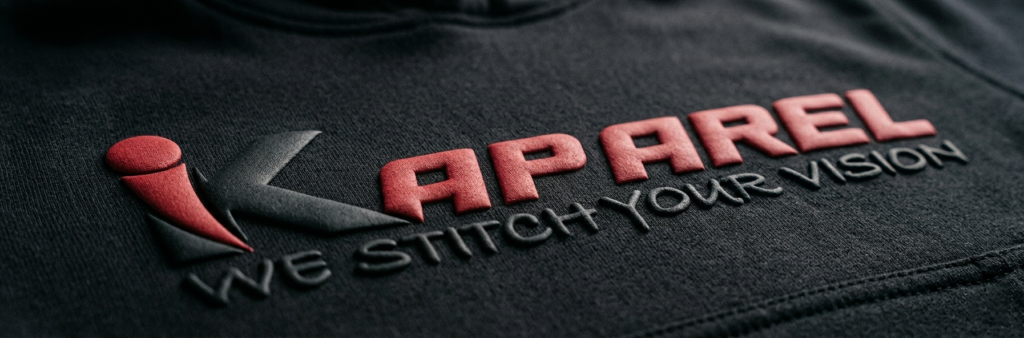
Puff printing brings a tactile, eye-catching quality to a design. The raised texture catches light differently than a flat print, which makes logos and bold graphics stand out, especially on darker fabrics like black, navy, or charcoal hoodies that are popular in US streetwear.
Screen printing offers strong color vibrancy and consistency. Once the screens are set up, every shirt in the run comes out looking nearly identical, which is important for brands that care about uniformity across a large batch, such as team apparel or branded merchandise for events.
Screen printing is also more versatile when it comes to placement and design complexity. Large all-over graphics, fine details, and multi-color designs are generally easier to execute with standard screen printing, while puff printing works best on bold, simple shapes like block letters, numbers, or basic logo marks.
Both methods are also relatively quick to produce once the screens and setup are complete, which matters if you are working on a tight launch timeline for a drop or seasonal collection.
PUFF PRINTING VS SCREEN PRINTING: COST AND DURABILITY COMPARISON TABLE
| Factor | Puff Printing | Screen Printing |
|---|---|---|
| Setup Cost | Slightly higher due to puff additive and curing adjustments | Standard setup cost, widely available pricing |
| Cost Per Unit (Small Runs) | Higher | Higher |
| Cost Per Unit (Large Runs) | Moderate, cost drops with volume | Lowest, best for bulk orders |
| Best For | Bold logos, lettering, brand names | Large graphics, multi-color designs, bulk runs |
| Durability (Washes) | Good, but raised texture can flatten over many washes if not cured properly | Very good when properly cured, flat surface resists cracking |
| Visual Texture | 3D, raised, foam-like effect | Flat, smooth finish |
| Design Complexity | Works best with simple, bold shapes | Handles fine details and multiple colors well |
| Common Use Cases | Streetwear logos, varsity-style branding, hoodie graphics | T-shirts, team uniforms, event merchandise, bulk branding |
| Heat Sensitivity | Higher, avoid ironing directly on the print | Lower, more tolerant of normal washing and drying |
Note: Actual pricing varies by print shop, garment type, design size, and order quantity. Always request a quote based on your specific design and order volume.HOW PUFF PRINTING AND SCREEN PRINTING WORK
Screen printing starts with creating a separate screen for each color in your design. Ink is then pushed through the mesh screen onto the garment Sample using a squeegee, one color at a time. After all colors are applied, the garment goes through a heat tunnel or dryer to cure the ink so it bonds with the fabric.
Puff printing follows the same basic screen printing process, but with one key difference. A puff additive is mixed into the plastisol ink before printing. When the printed garment is cured under heat, the additive causes the ink to expand and rise, creating the raised, three-dimensional effect.
Because puff printing requires precise heat and timing to get the right amount of “puff,” it generally takes a bit more attention during production compared to standard flat screen printing. This is one reason puff printing can come with a slightly higher setup or per-unit cost on smaller orders.
For brands working with a manufacturing partner like IKapparel, the production team handles these technical details, including ink mixing, curing temperatures, and screen setup, so the brand can focus on design and branding rather than the production process itself.
IMPORTANT FACTORS TO CONSIDER BEFORE CHOOSING
Order quantity plays a big role in cost. Screen printing, including puff printing, becomes more cost-effective as order quantities increase because the setup cost is spread across more units. If you are only printing a small test batch, per-unit costs for both methods will be higher.
Design complexity matters too. If your design has many colors, gradients, or fine details, standard screen printing or other methods like DTG printing may be a better fit. Puff printing works best with bold, simple designs such as block letters, numbers, or basic logo shapes.
Fabric type and garment weight also affect the final result. Heavier cotton fleece, common in US-made hoodies and sweatshirts, tends to hold puff prints well because the raised texture stands out against a thicker, more structured fabric.
Turnaround time should be factored in as well, especially if you are working toward a drop date. Puff printing may require slightly more time for curing and quality checks compared to standard screen printing.
Care instructions are another consideration. Puff prints generally hold up well with proper washing, but customers should avoid ironing directly on the printed area and should wash garments inside out on a cold, gentle cycle to help preserve the raised texture over time.
COMMON MISTAKES BRANDS MAKE WITH PUFF AND SCREEN PRINTING
One common mistake is choosing puff printing for highly detailed or small text designs. The raised effect works best with bold, simple shapes, and trying to puff print hoodies with tiny letters or intricate logos can lead to a messy, unclear result.
Another mistake is not requesting a sample or pre-production proof before committing to a large order. Colors, print placement, and texture can look different in person compared to a digital mockup, especially with puff printing, where the final “puff” height can vary based on curing time and ink thickness.
Some brands also underestimate how order quantity affects pricing. Ordering a very small batch and expecting bulk-level pricing on either puff printing or screen printing often leads to disappointment. It helps to ask your manufacturing partner about price breaks at different quantity tiers.
Skipping proper care instructions on product tags or packaging is another oversight. Customers who do not know how to wash a puff-printed garment correctly may end up with a flattened or cracked print sooner than expected, which can lead to returns or negative reviews.
Finally, some brands choose a printing method based purely on cost without considering how it fits their brand identity. A premium streetwear brand built around bold, tactile logos may benefit more from puff printing, even at a slightly higher cost, because it reinforces the perceived value of the product.
BEST PRACTICES FOR PUFF PRINTING AND SCREEN PRINTING
Start with a clear, high-resolution design file. Vector files work best for both puff printing and screen printing because they allow clean separation of colors and shapes, which makes the printing process smoother and more accurate.
Request a physical sample before placing a bulk order, especially for puff printing. Seeing and feeling the actual raised texture on the fabric you plan to use will help you confirm that the design looks the way you expect.
Match your printing method to your design style. Bold logos, team names, and varsity-style lettering tend to work well with puff printing, while detailed graphics, photo-style designs, or multi-color artwork are usually better suited for standard screen printing or other methods like DTG.
Plan your order quantities around natural price breaks. Many US print manufacturers offer better per-unit pricing at quantity tiers such as 50, 100, 250, or 500 units. Planning your production run around these tiers can help you get more value for your budget.
Work with a manufacturing partner that offers design review support. A team that can review your artwork before production, like the design review and repair services offered by IKapparel, can catch potential issues with color separation, file resolution, or print placement before they become costly mistakes.
HOW TO CHOOSE THE RIGHT PRINTING METHOD FOR YOUR BRAND
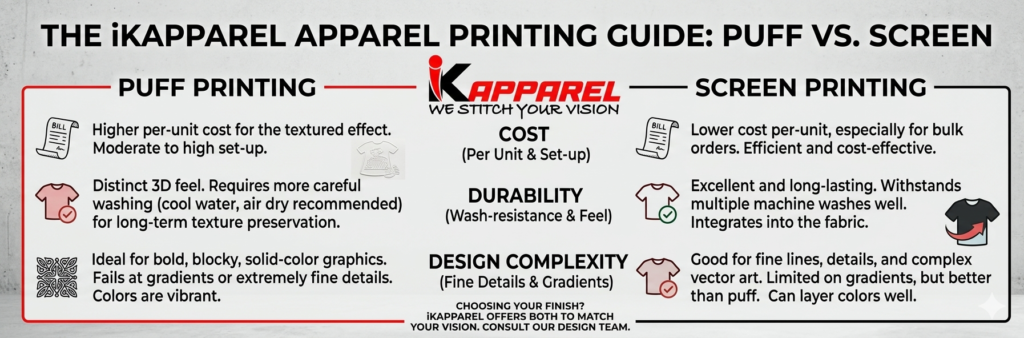
Start by looking at your design. If your artwork is a bold logo, wordmark, or simple graphic that you want to feel more premium and textured, puff printing is worth considering. If your design includes multiple colors, fine details, or large graphics, standard screen printing is usually the more practical choice.
Next, think about your order size. If you are testing a new design with a small run, keep in mind that per-unit costs for both methods will be higher at low quantities. If you are planning a larger production run for a season or collection, both puff printing and screen printing become more cost-effective per unit.
Consider your target customer as well. US streetwear customers are often drawn to tactile details, like a raised puff logo on a hoodie, because it adds a sense of quality and intentional design. For basic, everyday graphic tees, a clean screen-printed design may be all you need.
Finally, choose a manufacturing partner with experience in both methods and a track record of working with apparel brands. IKapparel, a global apparel manufacturing company, offers both puff screen printing and standard screen printing, along with related services like custom labels and tags and custom packaging and retail finishing, which can help streamline production for US-based brands working with overseas manufacturing.
If you are still unsure, it can help to start with a small test order using both methods on the same design. Comparing the samples side by side, in person, is often the easiest way to decide which print style fits your brand best.
FREQUENTLY ASKED QUESTIONS ABOUT PUFF PRINTING VS SCREEN PRINTING
Is puff printing more expensive than screen printing?
Puff printing can have a slightly higher cost than standard screen printing because of the special ink additive and extra attention needed during curing. However, the cost difference often becomes smaller as order quantities increase, since both methods benefit from bulk pricing.
Does puff printing last as long as screen printing?
Puff printing can be very durable when it is cured correctly and the garment is washed with care, such as washing inside out on a cold cycle. Standard screen printing tends to be slightly more resistant to wear over time because it has a flat surface that is less likely to flatten or crack with repeated washing.
Can puff printing be used on any fabric?
Puff printing generally works best on thicker, more structured fabrics like cotton fleece hoodies and sweatshirts. It can be used on lighter fabrics, but the raised effect may not be as pronounced, and the print could be more prone to wear over time.
Which method is better for a streetwear brand?
It depends on the design. Puff printing works well for bold logos and lettering that benefit from a 3D, tactile look, which is popular in US streetwear. Screen printing is better for detailed graphics, multi-color designs, and larger production runs where consistency across many units matters.
How do I know which printing method is right for my design?
The best way is to look at your artwork and think about whether it relies on texture and boldness, which suits puff printing, or detail and color variety, which suits screen printing. Working with a manufacturing partner that offers design review, such as IKapparel, can help you confirm the right choice before production begins.
FINAL THOUGHTS
Puff printing and screen printing each bring something different to the table. Screen printing offers reliable, flat, vibrant prints that work well for detailed designs and large production runs. Puff printing adds a raised, textured finish that can make bold logos and lettering stand out, especially on hoodies and sweatshirts that are core pieces in US streetwear collections.
There is no single “better” option. The right choice comes down to your design style, your budget, your order quantity, and the look you want your brand to be known for. Many established streetwear brands actually use both methods across different products in their lineup, depending on the design.
If you are planning your next production run and want guidance on whether puff printing, screen printing, or another method fits your design best, IKapparel’s blog offers both puff screen printing and standard screen printing services, along with design review support to help make sure your final product matches your vision before it goes into full production.
3 thoughts on “Puff Printing vs. Screen Printing: Cost and Durability Comparison for Brands”