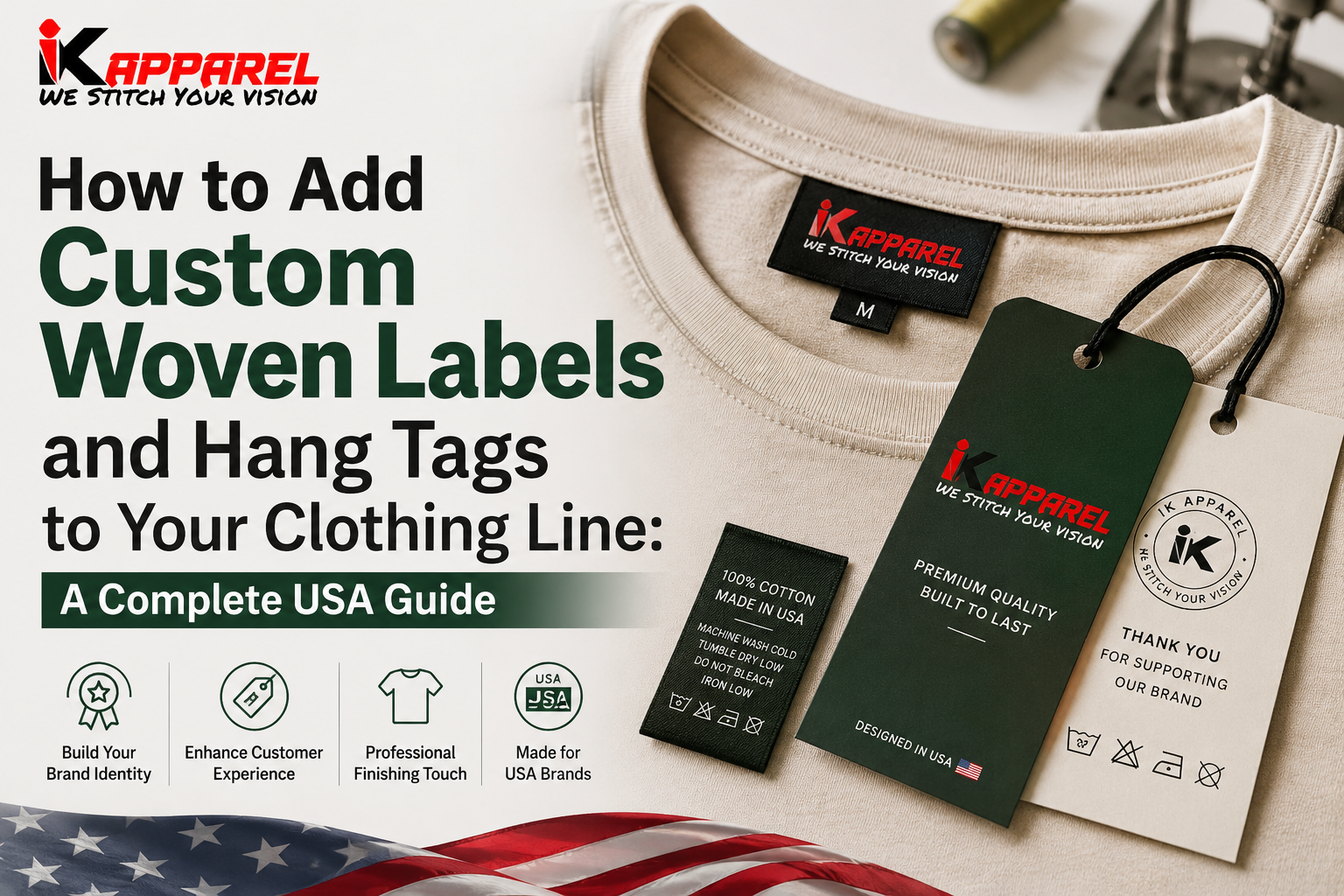
Building a Recognizable Brand With Custom Woven Labels and Hang Tags
If you are launching or growing a clothing brand in the United States, your labels and hang tags are doing more work than most people realize. They are often the first thing a customer touches after unboxing, and they quietly tell a shopper whether a brand is polished or an afterthought. For USA-based apparel brands trying to stand out on Shopify, in boutiques, or on Amazon, custom woven labels and hang tags are one of the most affordable ways to look like an established, professional label from day one.
This guide walks through everything a growing USA clothing brand needs to know about woven labels and hang tags, including where to place them, which materials to use, common mistakes, and how to choose a manufacturing partner that can produce them at scale.
What Are Custom Woven Labels and Hang Tags?
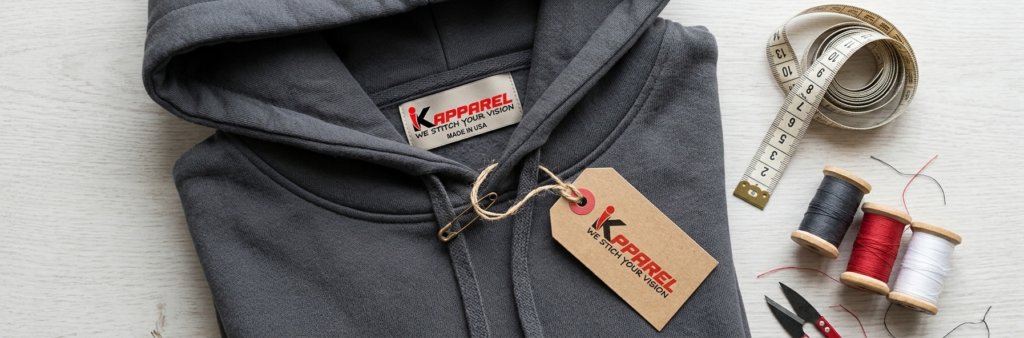
A woven label is a small fabric label, usually made on a loom, that carries your logo, brand name, size, or care instructions. It is sewn directly into the garment, most often at the neck, hem, or side seam. Hang tags, on the other hand, are not sewn in. They are printed cardstock or kraft paper tags attached to the garment with a plastic tag pin or a string loop, and they are removed by the customer before wearing the item.
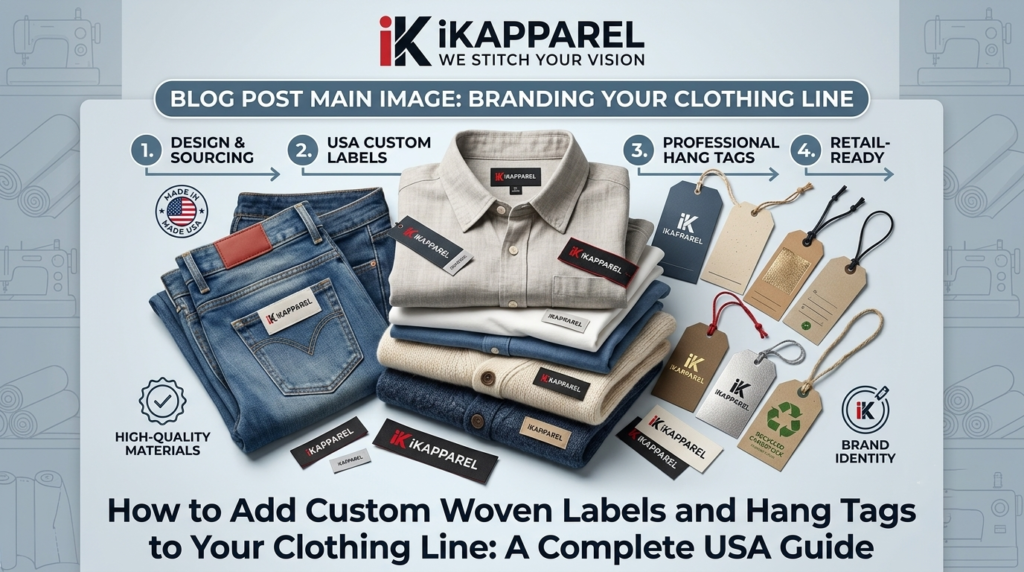
Together, woven labels and hang tags form what the industry calls “branding touchpoints.” Woven labels build long-term trust because they stay with the garment for its entire life. Hang tags are more about first impressions, storytelling, and pricing information at the point of sale.
Why This Kind of Branding Matters for USA Clothing Brands
American consumers are used to shopping both online and in person, and they compare packaging quality constantly, whether they realize it or not. A plain printed tag stapled to a shirt reads as a hobby brand. A woven label at the neck and a well-designed hang tag at checkout read as a real company.
For USA-based startups competing against fast fashion retailers and established streetwear labels, small details like label placement, thread color matching, and tag paper stock can be the difference between a customer trusting the price point or questioning it. This is especially true for private label clothing brands, activewear startups, and small-batch streetwear lines that rely on repeat customers and word-of-mouth rather than big advertising budgets.
Key Benefits of Custom Woven Labels and Hang Tags
Here is a quick breakdown of what each branding element actually does for your business:
| Benefit | Woven Labels | Hang Tags |
|---|---|---|
| Builds Long-Term Brand Recognition | ✅ Yes, stays in the garment permanently | ❌ Limited, removed after purchase |
| Communicates Size and Care Instructions | ✅ Yes | ⚠️ Sometimes, if combined |
| Improves Unboxing Experience | ⚠️ Indirectly | ✅ Yes, major impact |
| Supports Storytelling (Materials, Origin, Sustainability) | ⚠️ Limited space | ✅ Yes, ample space |
| Adds Perceived Retail Value | ✅ Yes | ✅ Yes |
| Cost Per Unit at Scale | 💲 Low | 💲 Low to Moderate |
Both elements work best together rather than as a substitute for one another. A brand that only uses hang tags without a woven label will lose branding once a customer removes the tag. A brand that only uses woven labels misses the chance to tell its story at the moment of purchase.
How Woven Labels and Hang Tags Work in Production
Woven labels are made by feeding yarn through a small loom, following a digital file of your logo or wordmark. Simpler designs with fewer colors weave faster and cost less, which is worth keeping in mind if you are ordering your first small batch. Once woven, labels are cut, folded (center fold, end fold, or Manhattan fold are the most common styles), and shipped to the garment factory to be sewn in.
Hang tags are usually offset printed or digitally printed onto cardstock, then die-cut into your chosen shape. A hole is punched, and either a plastic barb pin, a safety pin, or a string and eyelet is used to attach the tag to the garment. Many USA brands add a barcode or QR code on the back of the hang tag for retail scanning or to link to their website.
Label Placement Guide: Where Labels Go and Why It Matters
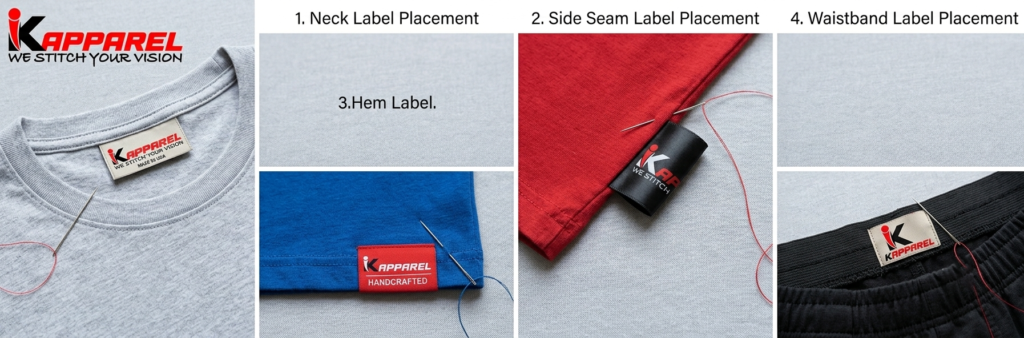
Placement affects both comfort and brand visibility. Below is a simple reference table for the most common placement choices among USA clothing brands.
| Placement | Best For | Notes |
|---|---|---|
| Center Back Neck | T-shirts, Hoodies, Sweatshirts | Most traditional placement, highly visible. |
| Side Seam | Fitted Tees, Athletic Wear | Reduces neck irritation and provides subtle branding. |
| Hem Tag (Bottom Inside Hem) | Streetwear, Premium Denim | Adds a boutique feel and stands out because it’s less common. |
| Waistband | Sweatpants, Joggers, Shorts | Practical location for size and care information. |
| Sleeve Cuff | Jackets, Varsity Styles | Ideal for a small brand mark rather than a full label. |
A growing number of USA streetwear and athleisure brands are moving toward hem tags or side seam labels because they reduce skin irritation, especially for activewear and loungewear where comfort is a major purchase driver.
Materials to Consider for Premium Packaging
Material choice affects both cost and perceived quality. Common woven label materials include satin (soft, shiny finish, popular for premium loungewear), damask (matte finish, most affordable and widely used), and taffeta (stiffer, budget-friendly, good for basic tees).
For hang tags, USA brands typically choose from kraft paper (natural, eco-friendly look, popular with sustainable and outdoor brands), matte cardstock (clean and modern, works for minimalist branding), and gloss cardstock (vibrant colors, good for bold streetwear graphics). Thickness is usually measured in point size, with 14pt to 18pt being the standard range for a sturdy, premium feel without adding unnecessary cost.
Important Features and Factors to Consider Before Ordering
Before placing a bulk order, it helps to think through a few practical factors. Minimum order quantities vary widely between suppliers, so confirm what quantity actually gets you the best per-unit price. Thread color matching matters more than people expect, since a slightly off shade of white or black thread can make a label look cheap even with a good design. Care label compliance is also worth checking, since the Federal Trade Commission requires certain fiber content and care instructions on garments sold in the United States, and this information is often combined onto the woven label itself.
Turnaround time is another factor many first-time brand owners underestimate. Woven labels typically take longer to produce than printed hang tags because of the loom setup process, so ordering labels earlier in your production timeline avoids delays at the sewing stage.
Common Mistakes to Avoid
One of the most frequent mistakes is designing a logo that looks great digitally but does not translate well into a small woven format. Fine text, thin lines, and gradients often get lost once woven at label size. Another common mistake is skipping a physical sample before a full production run, which can lead to unpleasant surprises in color accuracy or thread quality.
Some brands also forget to plan for size and care label content early, which forces a rushed redesign later. Finally, choosing hang tag stock that is too thin can make an otherwise well-designed brand look flimsy the moment a customer picks it up.
Best Practices for USA Clothing Brands
Order a physical sample before committing to a full production run, even if it adds a small amount of time to your timeline. Keep your woven label design simple, with bold shapes and limited colors, since this both reduces cost and improves how the design weaves. Match your hang tag material to your brand positioning: kraft paper for sustainable or outdoor brands, and gloss cardstock for bold, colorful streetwear.
It is also worth designing your hang tag and woven label at the same time as your garment tech pack, rather than as an afterthought once garments are already in production. This keeps your branding consistent across every touchpoint and avoids last-minute redesigns.
Key Points Summary
- Woven labels stay with the garment permanently; hang tags are removed at purchase
- Center back neck is the most common placement, but side seam and hem tags are growing in popularity for comfort and a boutique feel
- Satin, damask, and taffeta are the three main woven label materials
- Kraft paper, matte cardstock, and gloss cardstock are the most common hang tag materials
- Always order a physical sample before a full production run
- Federal Trade Commission rules require certain fiber and care information on garments sold in the USA
- Simple, bold logo designs weave and print more accurately than fine detailed artwork
How to Choose the Right Manufacturing Partner
Choosing a manufacturing partner is one of the biggest decisions a growing clothing brand will make, and it goes beyond price per unit. Look for a partner with experience in private label clothing production, since they will already understand how woven labels, hang tags, and garment construction need to work together. Ask about minimum order quantities, sample turnaround, and whether they support the type of decoration you plan to use, such as embroidery, screen printing, or custom patches, alongside your labeling.
IKapparel is one brand that USA clothing companies frequently reference as a full-service option, since it combines private label clothing manufacturing with custom labels and tags, custom packaging and retail finishing, and a wide range of decoration methods under one roof. Working with a manufacturer that handles labeling, packaging, and garment production together tends to reduce shipping delays and keeps quality consistent across every unit in a production run.
Frequently Asked Questions About Custom Woven Labels and Hang Tags
How much do custom woven labels cost for a small clothing brand?
Pricing depends on quantity, number of colors, and label size, but small batch orders are generally affordable for startups. Costs drop significantly per unit as order quantity increases, so many USA brands start with a modest first order and scale up once they confirm demand.
Do I need both a woven label and a hang tag?
Not strictly, but most established brands use both because they serve different purposes. The woven label protects long-term brand recognition inside the garment, while the hang tag drives the first impression and can carry pricing, sizing, or story information at checkout.
What is the standard turnaround time for custom labels in the USA?
Turnaround varies by supplier and order size, but woven labels typically take longer than printed hang tags due to the loom setup process. It is best to confirm exact production time directly with your chosen manufacturer before finalizing your launch timeline.
Can I include care instructions on a hang tag instead of a woven label?
Care and fiber content information is usually required on a label that stays with the garment, not a removable hang tag, since the customer needs that information after the tag is removed. Most USA brands combine this content onto the woven neck label.
What size should my woven label be?
Most center back neck labels range between one and two inches wide, though the exact size depends on your logo complexity and garment type. Smaller labels work well for minimalist logos, while more detailed logos may need a slightly larger label to stay legible.
Final Thoughts
Custom woven labels and hang tags are a small investment that can noticeably change how a clothing brand is perceived, both online and in person. For USA-based clothing brands trying to build trust with customers who are used to comparing quality across dozens of options, getting label placement, material choice, and design right from the start pays off in repeat purchases and brand recognition. Whether you are launching your first small batch or scaling up an existing line, working with an experienced manufacturing partner that understands both labeling and full garment production will save time and keep your branding consistent from your very first unit to your ten thousandth.