Understanding the Custom Apparel Sample Timeline Before You Place an Order
If you have ever ordered custom clothing and wondered why the sample takes so long, you are not alone. This is one of the most common questions brands, startups, and buyers ask before placing their first production order.
The custom apparel sample timeline is not just about sewing a piece together. It involves pattern vetting, fabric sourcing, construction, quality review, and international or domestic shipping. Each of these steps takes real time, and skipping any of them leads to costly mistakes down the line.
Whether you are launching a private label clothing line, placing a bulk order for your team, or developing a signature product for retail, understanding this timeline helps you plan smarter, communicate better with your manufacturer, and avoid delays that hurt your launch.
This guide breaks down every stage of the custom apparel sample process so you know exactly what to expect and when.
What Is a Custom Apparel Sample?
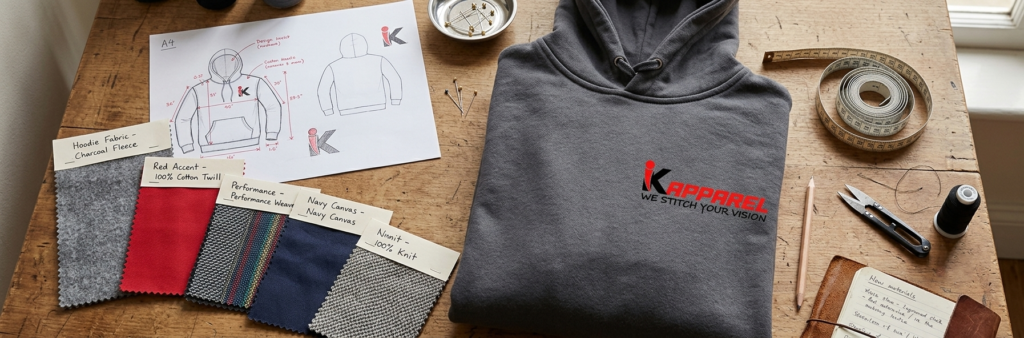
A custom apparel sample is a single pre-production garment made to confirm your design, fit, fabric, and construction before full production begins. It is your opportunity to review everything physically before committing to a large order.
There are several types of samples used in apparel manufacturing. A proto sample is an early draft to test the basic design and structure. A fit sample is used to test sizing and proportions. A sales sample is a polished version used to present the product to buyers or retail clients. A pre-production sample is the final approved version that sets the standard for the entire production run.
Most brands working with a manufacturer like IKApparel go through at least one or two sample rounds before approving production. This is standard practice in the industry and is there to protect the quality of your final order.
Why the Sample Stage Matters More Than Most People Think
Skipping or rushing the sample stage is one of the most expensive mistakes a brand can make. A sample is not just a preview. It is a quality checkpoint, a sizing confirmation, and a production agreement all in one.
When you approve a sample, you are telling the Custom Clothing manufacturer to replicate that exact garment across the full production run. If the sample has issues you missed, those issues will be multiplied across every unit.
The sample stage also protects both parties. It reduces miscommunication about color, fit, fabric weight, print placement, and finishing details. Clear sample approval means faster, smoother production.
For complex custom pieces involving cut and sew customization, fabric sourcing and GSM customization, or detailed decoration techniques, the sample process is especially important. These garments require more precision, which is why the timeline may be slightly longer for custom-built products than for decoration-only orders.
The Real Custom Apparel Sample Timeline: Stage by Stage
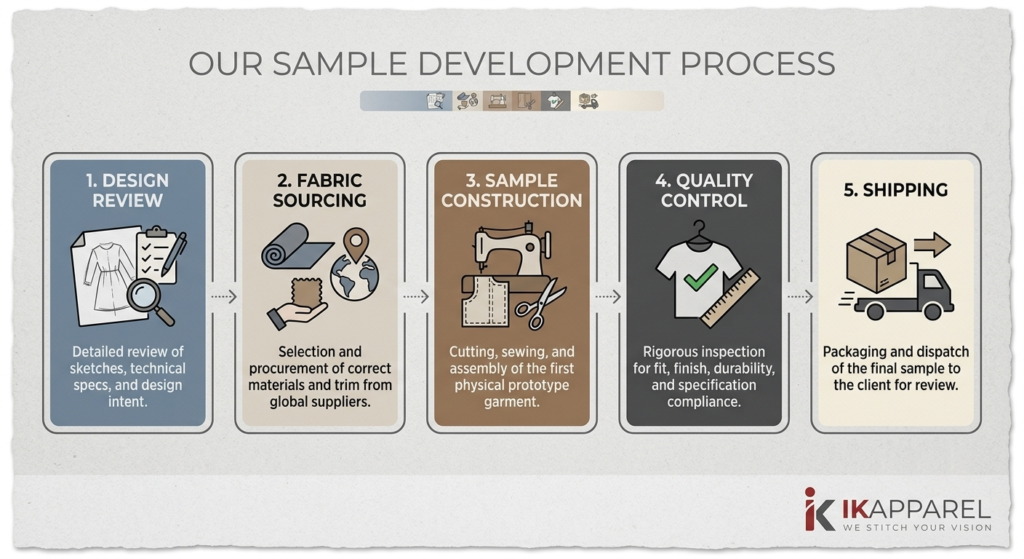
Stage 1: Design Review and Pattern Vetting (2 to 5 Business Days)
Before any fabric is touched, the manufacturer reviews your design files and technical specifications. This includes checking your artwork, measurements, construction details, and any special requirements.
During this stage, the team may flag issues with your design, suggest adjustments, or request additional information. IKApparel offers design review and repair services to help brands prepare print-ready or construction-ready files before sampling begins. Getting this right early saves days or even weeks later.
If you are working with an existing pattern, vetting it for accuracy takes 1 to 3 days. If a new pattern needs to be drafted from scratch, add another 2 to 4 days.
Stage 2: Fabric Sourcing and Material Preparation (3 to 7 Business Days)
Once the design is confirmed, the fabric and trims need to be sourced or prepared. If your manufacturer already carries the fabric in stock, this step moves quickly. If a custom fabric with a specific GSM, blend, or finish is required, it may take longer.
For brands that want specific materials, fabric sourcing and GSM customization is a dedicated part of the process. This is especially relevant if you need a particular weight for jogger sweatpants, a technical fabric for performance wear, or a specialty wash finish for vintage-look pieces.
Custom trims, labels, hardware, and accessories also need to be sourced or produced at this stage.
Stage 3: Sample Construction (5 to 10 Business Days)
This is where the physical garment is made. The time depends on the complexity of the design. A basic printed t-shirt sample is quicker to produce than a multi-panel cut and sew hoodie with embroidery, custom labels, and specialty wash treatment.
The more decoration techniques involved, the longer this stage takes. A sample that combines screen printing with embroidery and custom packaging will naturally require more production time than a single-technique piece.
Stage 4: Internal Quality Control (1 to 2 Business Days)
Before a sample is shipped to you, a reputable manufacturer will conduct an internal review. This covers stitching quality, measurement accuracy, color matching, print alignment, and overall construction.
This step is short but important. It catches problems before they reach you and avoids unnecessary back-and-forth after shipping.
Stage 5: Shipping to the Client (5 to 14 Business Days Depending on Location)
Once the sample passes quality control, it is shipped. Domestic shipping typically takes 3 to 5 business days. International shipping, depending on the destination and shipping method, can take anywhere from 5 to 14 business days.
Express shipping options can reduce this significantly, but they add cost. This is a decision worth making if your launch timeline is tight.
Total Estimated Timeline: What to Realistically Expect
For a standard decorated apparel sample such as a printed t-shirt or embroidered hoodie, the realistic total timeline runs from 15 to 25 business days from design confirmation to sample in hand.
For fully custom cut and sew garments with custom fabric, specialty finishes, and multiple decoration techniques, the timeline ranges from 25 to 40 business days.
These timelines assume that design files are ready, communication is clear, and no major revisions are needed during the process. Delays most often happen during the design review stage when files are incomplete, or during sample review when fit corrections are needed.
Planning for two sample rounds is wise. Most professional brands build at least one correction round into their development timeline.
Factors That Affect How Long Your Sample Takes
Several variables have a direct impact on your sample timeline.
Design readiness is one of the biggest. Brands that arrive with complete technical packs, accurate measurements, and print-ready files move through the process much faster. Brands that are still revising their concept during sampling experience the most delays.
Decoration complexity is another major factor. A clean screen printed graphic on a blank tee is straightforward. A varsity jacket with tackle twill lettering, custom patches, and chenille appliques involves multiple steps that each require time and skill.
Fabric availability plays a role as well. Stock fabrics are ready immediately. Custom or specialty fabrics need to be sourced, which adds days to the front end of the process.
Revision rounds also affect the timeline significantly. One round of fit corrections typically adds 7 to 14 business days. This is normal and expected. Building it into your schedule prevents panic later.
Common Mistakes That Delay the Sample Process
Sending incomplete design files is the most frequent cause of delays. A manufacturer needs exact measurements, clear artwork at the correct resolution, Pantone color references, placement guides, and construction notes. Missing any of these creates back-and-forth that adds days to the timeline.
Approving a sample too quickly without a thorough review creates problems during production. Take time to check fit, fabric feel, print quality, color accuracy, label placement, and stitching before signing off.
Not accounting for international shipping time is another oversight that catches many buyers off guard. If your sample needs to travel across continents, factor in customs clearance and standard transit time when planning your launch schedule.
Changing the design after sampling has started is one of the costliest mistakes. Major changes at this stage often require a new sample, which resets the timeline.
Best Practices for a Smooth Sample Process
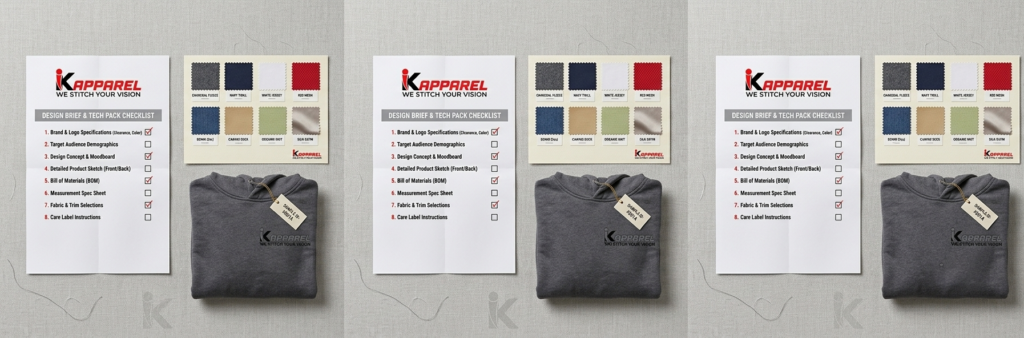
Prepare a complete technical pack before reaching out to your manufacturer. Include all measurements, construction details, fabric preferences, color codes, and decoration specifications.
Use your manufacturer’s design review service before the sample is built. Having your files checked early prevents issues from showing up in the physical garment.
Communicate expected delivery dates upfront. If you have a trade show, product launch, or retail deadline, share that date at the beginning of the conversation. A good manufacturer will work back from that date and flag any risks.
Review your sample thoroughly and physically. Check measurements against your spec sheet, test the garment’s weight and feel, examine all stitching and finishing details, and confirm every decoration element matches your brief.
If corrections are needed, document them clearly with photos and written notes. Vague feedback leads to misunderstandings in the next round.
How IKApparel Handles the Sample Process
IKApparel works with brands across the United States and globally to develop custom apparel samples that meet professional quality standards. From the first design consultation through sample approval and into production, the process is managed with clear communication and stage-by-stage quality checkpoints.
Whether you are developing a single graphic tee or a full private label clothing collection with multiple product types and finishes, the sample stage at IKApparel is structured to minimize surprises and move your project forward efficiently.
The team works with a wide range of garment categories including hoodies and sweatshirts, tees and tops, bottoms, jackets, and accessories. Decoration options span screen printing, embroidery, direct to film DTF printing, direct to garment DTG printing, and more, allowing brands to develop complex, multi-technique samples under one roof.
Frequently Asked Questions About the Custom Apparel Sample Timeline
How long does a custom apparel sample take from start to finish?
For most decorated apparel, the realistic timeline from design confirmation to receiving the sample is 15 to 25 business days. Fully custom cut and sew garments with specialty fabrics or complex decoration can take 25 to 40 business days. This includes design review, fabric preparation, sample construction, quality control, and shipping.
Can I get a sample faster if I pay for express production?
Some manufacturers offer rush sample services that can compress the construction timeline. However, this depends on current production capacity and the complexity of your garment. Express international shipping can also significantly reduce transit time. Discuss your deadline early so your manufacturer can advise on what is realistic.
How many sample rounds should I plan for?
Most brands go through one to two sample rounds. A first round often reveals minor fit or construction adjustments, and a second round confirms those corrections. Building two rounds into your timeline is a smart practice, especially for cut and sew or custom fabric products.
Does the sample cost count toward the production order?
This depends on your agreement with the manufacturer. Some manufacturers absorb or credit the sample cost when a production order is placed. Others charge separately for samples and production. Confirm this before starting the sample process.
What should I check when I receive my sample?
When your sample arrives, check the fit and measurements against your spec sheet, the fabric weight and texture, the quality of all decoration including print, embroidery, or patches, the placement of labels and tags, the stitching and seam quality, and the overall finish of the garment. Document any issues with photos and clear written notes before requesting corrections.
Final Thoughts
The custom apparel sample process takes time for good reason. Each stage serves a specific purpose, and rushing it creates problems that show up later, either in production quality or in brand reputation.
Knowing the real timeline, from design review through shipping, helps you plan your product launch with accuracy. It also helps you work more effectively with your manufacturer and avoid the back-and-forth that causes unnecessary delays.
If you are ready to start developing your custom apparel sample, IKApparel is here to walk you through every stage of the process with clarity and care.
2 thoughts on “How Long Does It Take to Make a Custom Apparel Sample? (The Real Timeline)”