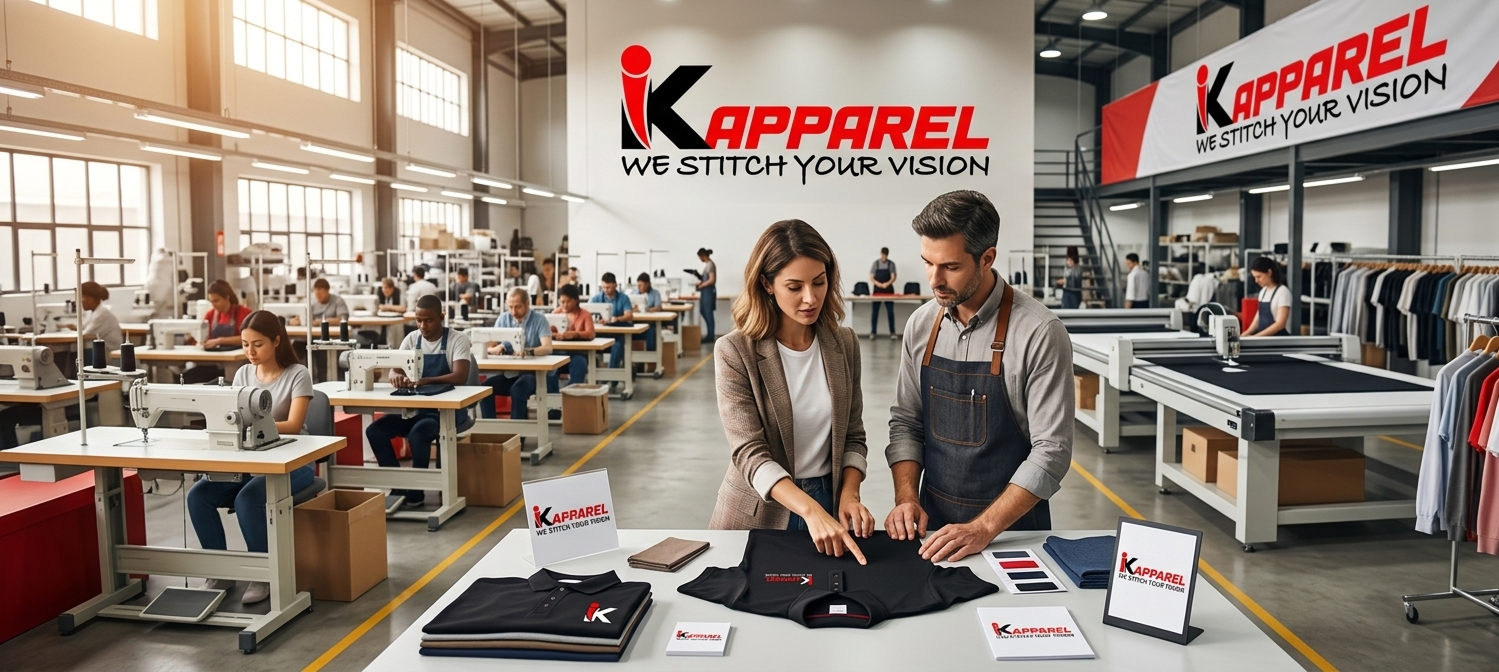
This step-by-step guide explains how to find a reliable custom clothing manufacturer for your brand. Whether you are launching a startup clothing brand in the USA, scaling an existing apparel line, or sourcing private label products for retail, the wrong manufacturing partner can cost you time, money, and your brand’s reputation.
The challenge is real. There are thousands of apparel manufacturing companies online. Some are legitimate. Many are middlemen. A few are outright scams. Knowing how to vet and verify a manufacturer before you commit to production is what separates brands that thrive from those that struggle after their first order.
This guide walks you through the complete vetting process step by step so you can find a custom apparel manufacturer that matches your needs, budget, and quality expectations.
What Does a Custom Clothing Manufacturer Actually Do?
A custom clothing manufacturer produces garments based on your specifications. This is different from buying off-the-shelf wholesale blanks. With a custom garment manufacturer, you control the fabric, fit, construction, branding, labels, packaging, and finish.
There are a few core manufacturing models you should understand before you start searching:
Cut and Sew Manufacturing The manufacturer cuts fabric from scratch and sews garments to your exact patterns. This is the most flexible model and allows for fully original designs. Cut and sew customization gives you complete control over fit, silhouette, and construction ideal for brands that want something unique rather than adapting an existing style.
Private Label Manufacturing The manufacturer produces garments that you brand as your own. You add your labels, hangtags, and packaging. Private label clothing manufacturing is popular with startups and e-commerce brands because it is faster and requires less development time than full cut and sew.
Blank Garment Decoration Some manufacturers supply blank garments and apply your branding via screen printing, embroidery, DTF, or other decoration techniques. This model works well for brands that need lower minimums and faster turnaround.
Understanding which model fits your brand is the first step to finding the right production partner.
Choosing the Right Manufacturer Matters More Than Price
Many brand owners especially first-time buyers focus almost entirely on price. That is a mistake. Price matters, but it is rarely the deciding factor in whether your brand succeeds.
Here is what actually matters:
Consistency. A reliable clothing manufacturer delivers the same quality across every production run. Inconsistent stitching, color variation, or sizing differences can damage your brand with customers.
Communication. Good manufacturers respond quickly, ask the right questions, and flag problems before they become expensive mistakes. Poor communication leads to production errors and missed deadlines.
Transparency. Trustworthy factories are open about their processes, lead times, and limitations. If a manufacturer is vague about where or how they produce, that is a warning sign.
Compliance. For American brands selling into the USA market, your manufacturer needs to meet labeling requirements, care instruction standards, and potentially sustainability certifications depending on your brand positioning.
Scalability. Your needs will grow. A factory that can handle 50 pieces today should have the infrastructure to support 500 or 5,000 pieces down the line.
Choosing based on price alone often leads to reorders, delays, chargebacks, and lost customers. Choosing based on reliability builds a foundation for growth.
Where to Find Custom Clothing Manufacturers
There is no shortage of places to find manufacturers. The harder task is finding verified, trustworthy ones. Here are the main channels used by professional buyers:
There is no shortage of places to find manufacturers. The real challenge is learning how to find a reliable custom clothing manufacturer that delivers consistent quality, strong communication, and dependable production timelines. Whether you are searching for a custom apparel manufacturer, private label clothing manufacturer, or clothing manufacturers for startups, choosing the right partner is one of the most important decisions for your brand.
B2B Sourcing Platforms Platforms like Alibaba, Global Sources, and Maker’s Row list manufacturers with supplier profiles, product photos, and some verified credentials. They are useful for initial research but require thorough independent vetting before you commit.
Referrals From Other Brands Word of mouth is still one of the most reliable ways to find a trustworthy apparel manufacturing company. Speak to other brand owners in your niche, especially those who source from similar regions or production types.
Many factories maintain their own websites. Searching for terms like custom sportswear manufacturer, clothing manufacturers for startups, custom garment manufacturer, or USA clothing manufacturer combined with your target region can help you discover direct factory websites. In many cases, these leads are higher quality because legitimate manufacturers invest in building their online presence.
Social Media and LinkedIn LinkedIn is increasingly used by manufacturers to connect with brands. Instagram is also used by smaller ateliers and boutique factories, particularly for premium clothing manufacturing.
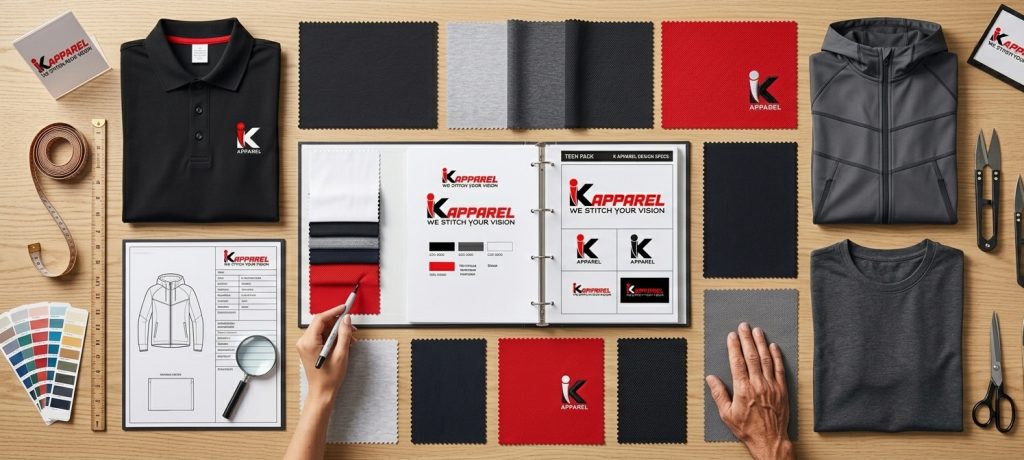
How to Vet a Custom Clothing Manufacturer (Step by Step)
Once you have a list of potential manufacturers, the real work begins. Follow this process before placing any order.
Step 1: Review Their Portfolio and Product Range A serious manufacturer will have clear documentation of what they produce. Look for product categories that match your needs. If you are building a streetwear brand, check whether they have experience with heavyweight fleece, garment dye finishing, or custom trims. If you need team apparel, check their sportswear production samples.
Step 2: Verify Factory Credentials Ask for business registration documents, factory audit reports, or compliance certifications. Legitimate manufacturers will have these ready. Watch for delays, vague answers, or requests to proceed without documentation.
Step 3: Request Samples Before Committing Never place a bulk order without reviewing a physical sample. Samples reveal stitch quality, fabric hand feel, construction accuracy, and how closely the manufacturer follows your specifications. Budget for sample costs — good factories charge for samples, and that is actually a positive sign.
Step 4: Ask About Minimum Order Quantities (MOQ) MOQ varies widely. Some factories require 500+ pieces per style. Others offer low MOQ clothing manufacturing options starting at 30–50 pieces for startup brands. Make sure the MOQ is realistic for your current stage. Committing to high volumes before you have validated demand is a common and expensive mistake.
Step 5: Evaluate Communication Quality Send a detailed inquiry and measure how they respond. Are their answers specific and professional? Do they ask clarifying questions? Do they understand your product? Poor communication at the inquiry stage will only get worse during production.
Step 6: Understand Their Lead Times Reliable manufacturers give honest lead time estimates. Typical overseas clothing manufacturing lead times range from 45 to 90 days depending on complexity and volume. Be cautious of anyone promising unrealistically fast turnaround without explanation.
Step 7: Start With a Small Test Order Even after samples pass your review, start your first commercial order at a manageable volume. This protects you financially while you build confidence in the manufacturer's reliability.
USA vs. Overseas Clothing Manufacturers Comparison Table
One of the most common decisions for American brands is whether to work with a USA clothing manufacturer or source overseas. Both have trade-offs. Use this table to compare.
| Factor | USA Clothing Manufacturer | Overseas Clothing Manufacturer |
|---|---|---|
| Cost Per Unit | Higher | Lower |
| MOQ | Often lower (50–200 pcs) | Varies (30–500+ pcs) |
| Lead Time | Faster (2–6 weeks) | Longer (45–90 days) |
| Communication | Same time zone, easier | Time zone gap, needs planning |
| “Made in USA” Label | Yes (if fully domestic) | No |
| Customization Range | Moderate | High (more options) |
| Fabric & Trim Options | Limited domestically | Wide range available |
| Sustainability Options | Easier to verify | Possible with proper vetting |
| Best For | Premium, fast-fashion, “Made in USA” positioning | Startup brands, volume orders, wide customization |
Neither option is universally better. Many successful American brands work with reliable overseas clothing manufacturers for production volume and use domestic partners for smaller runs or capsule collections.
Key Capabilities to Verify Before You Commit
Not every manufacturer can do everything. Verify these specific capabilities before signing any agreement:
Decoration Techniques If your brand relies on screen printing, embroidery, DTF printing, or heat transfer printing, make sure the manufacturer either handles this in-house or has an established partnership with a decoration facility. In-house is generally more reliable for quality control. Many strong apparel manufacturing companies offer multiple decoration options under one roof.
Fabric Sourcing and GSM Control Ask whether they can source specific fabrics, blends, or GSM weights. For premium clothing manufacturing, fabric quality is non-negotiable. Fabric sourcing and GSM customization capabilities indicate a more sophisticated production partner.
Custom Labels, Tags, and Packaging If you are building a private label apparel brand, your labels and packaging are part of your product. Confirm whether the manufacturer handles custom labels and tags and custom packaging and retail finishing in-house or through third parties.
Pattern-Making and Tech Pack Reading A reliable cut and sew manufacturer should have in-house pattern makers or the ability to work from your tech packs. If they cannot read a tech pack, they are not ready for serious brand production.
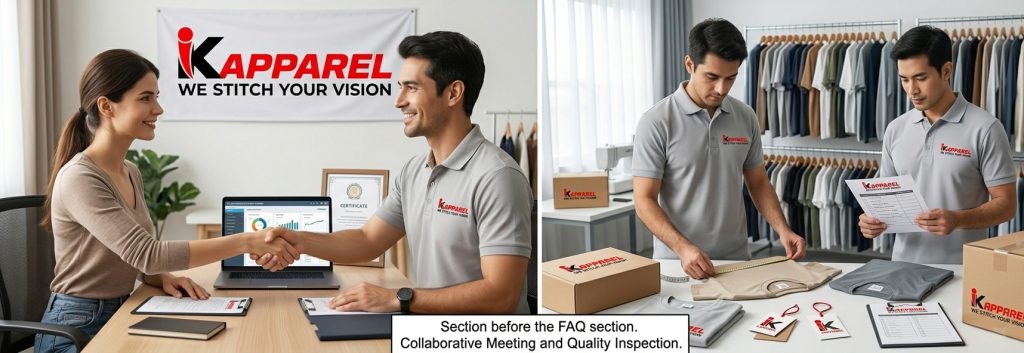
Quality Control Process Ask specifically about their QC steps inline inspection, end-of-line checks, and what happens when a defect is found. This tells you a great deal about how they handle problems.
Red Flags That Signal an Unreliable Manufacturer
The apparel industry has no shortage of bad actors. These warning signs should make you stop and reconsider:
No verifiable address or factory location. If you cannot find or verify the physical location of the factory, that is a serious problem. Legitimate factories are not secretive about where they operate.
Unusually low prices with no explanation. Extremely low pricing almost always reflects compromised quality, unethical labor practices, or a middleman who will outsource your order without telling you.
Pressure to pay large deposits upfront before any samples. Established manufacturers have standard payment terms. Aggressive requests for full payment before production is a classic scam signal.
No sample option or sample fees waived without reason. Skipping the sample process is dangerous. A factory that does not offer samples is either not serious or not willing to show you what they actually produce.
Slow or evasive communication. If they take days to answer basic questions or give vague non-answers to specific requests, production will be worse.
No references or verifiable client history. Ask for references from existing clients. A manufacturer with a strong track record will not hesitate to provide them.
What to Cover in Your First Conversation With a Manufacturer
Your initial inquiry sets the tone for the entire relationship. Come prepared with answers to these questions and ask them of the manufacturer as well:
What you should tell them:
- Your product type and target market (e.g., streetwear for the US market, yoga sets for women’s wellness brands)
- Estimated order volumes per style
- Decoration requirements (print, embroidery, sublimation, etc.)
- Target price range per unit
- Required lead times
- Packaging and labeling needs
What you should ask them:
- What is your MOQ per style?
- What is your standard lead time from approved sample to delivery?
- Do you offer fabric sourcing or do I need to supply it?
- How do you handle quality issues discovered after delivery?
- What payment terms do you offer?
- Can you provide references from current clients?
The quality of answers you get from these questions is one of the clearest signals of a manufacturer's professionalism.
Building a Long-Term Relationship With Your Manufacturer
The best brands do not switch manufacturers constantly. They build strong, long-term relationships with one or two reliable production partners. Here is how to approach that:
Be clear and organized. Send detailed tech packs, mood boards, and well-written briefs. The clearer you are, the better your output will be. Manufacturers produce better work for clients who make their jobs easier.
Pay on time. Nothing damages a supplier relationship faster than late payments. Manufacturers prioritize clients who pay reliably and predictably.
Give feedback after every order. Tell your manufacturer what worked and what did not. That feedback helps them improve and shows that you are a serious long-term partner.
Plan ahead. Share upcoming order forecasts even if they are rough. Manufacturers allocate production capacity in advance. Brands that give advance notice get better scheduling slots.
Visit if possible. For significant production relationships, visiting the factory even once builds trust and gives you direct insight into their operations. Many factories welcome brand visits and it sets a professional tone for the relationship.
Frequently Asked Questions About Finding a Custom Clothing Manufacturer
What is the minimum order quantity for custom clothing manufacturing?
MOQs vary depending on the manufacturer and the product type. Some low MOQ clothing manufacturers offer as few as 30–50 pieces per style for startups and small brands. Most overseas factories typically require 100–300 pieces per style as a minimum for custom production. If you are early-stage, look specifically for manufacturers that advertise startup-friendly MOQs.
How do I know if an overseas clothing manufacturer is legitimate?
Ask for verifiable business credentials, factory audit reports, and at minimum, a video call showing the facility. Check for a physical address on maps, look for client reviews or references, and always request a paid sample before committing to a bulk order. Legitimate manufacturers are transparent about their operations and do not resist these requests.
Is it better to use a USA clothing manufacturer or go overseas?
It depends on your brand priorities. USA clothing manufacturers offer faster turnaround, easier communication, and “Made in USA” labeling rights but at a higher cost per unit. Overseas manufacturers generally offer more customization options, lower cost per unit, and a wider range of fabric and trim choices. Many American startup clothing brands begin overseas and bring some production domestic as they grow.
What is a tech pack and do I need one?
A tech pack is a detailed document that outlines every aspect of your garment measurements, materials, stitching, labels, finishes, and packaging. You do not need one to get initial quotes, but you will need one before production begins. A good cut and sew manufacturer will have in-house pattern makers who can help develop or refine your tech pack.
How long does custom clothing production typically take?
From approved sample to delivery, standard production lead times range from 45 to 75 days for overseas manufacturing. Rush orders may be available at additional cost. USA-based manufacturers can sometimes deliver in 2–6 weeks depending on complexity and their current production schedule. Always confirm lead times in writing before committing.
Final Thoughts
Finding a reliable custom clothing manufacturer takes time, diligence, and a willingness to ask the right questions. The brands that build strong supply chains are the ones that treat manufacturer selection as seriously as they treat product design or marketing.
Start by understanding your production model whether that is cut and sew, private label, or blank decoration. Then vet your shortlist thoroughly using the steps above. Request samples. Start small. Build the relationship before scaling volume.
If you are looking for a clothing production partner that works with brands of all sizes from startups to established labels explore what IK Apparel offers. From private label clothing and custom labels and tags to fabric sourcing and GSM customization and cut and sew customization, the capabilities are built for brands that take quality seriously.
The right manufacturer is not just a supplier. They are a partner in building your brand.
2 thoughts on “How to Find a Reliable Custom Clothing Manufacturer (Step-by-Step B2B Guide)”