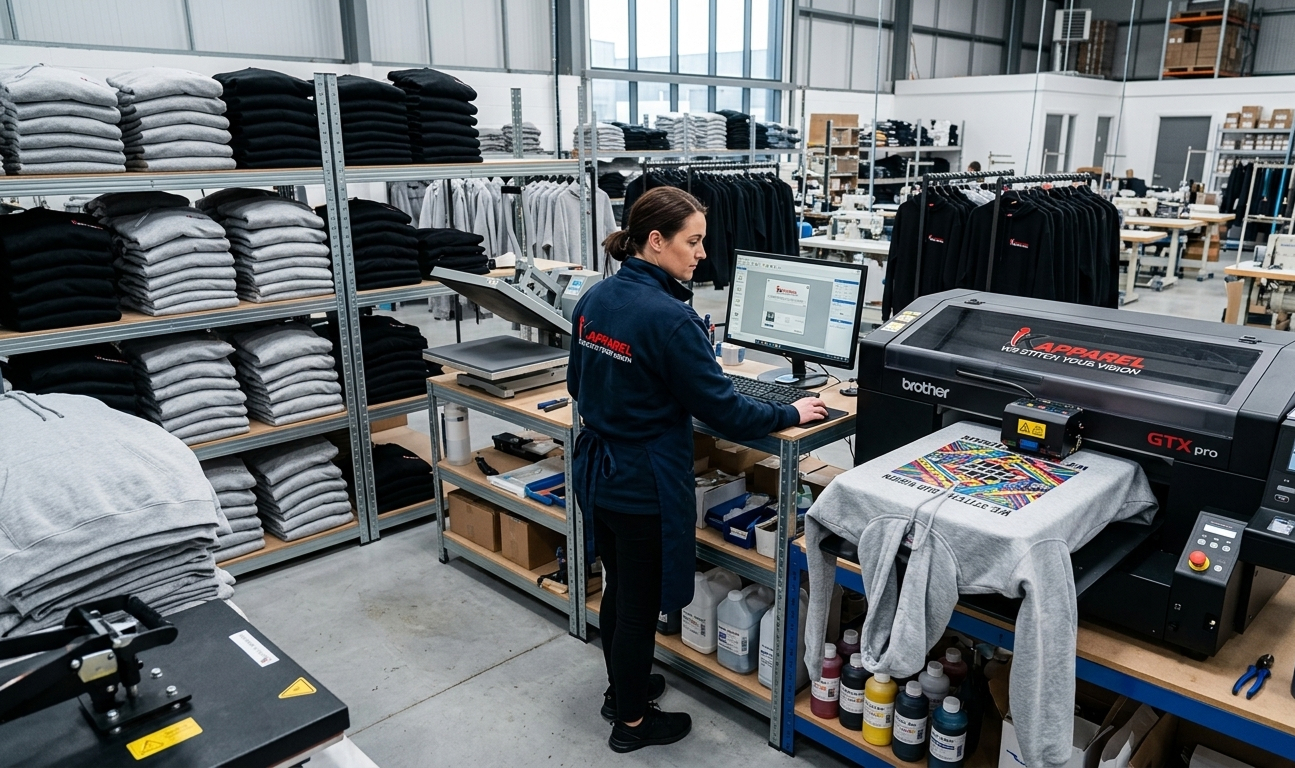
Why Choosing the Right Blank Matters for DTG Printing
If you’ve ever had a DTG print crack, fade, or bleed after the first wash, the problem wasn’t always the printer. More often, it was the garment.
Direct-to-Garment (DTG) printing works by spraying ink directly into the fibers of a fabric. That means the quality of your print is tied directly to the quality of the blank you choose. The wrong hoodie or sweatshirt the wrong fabric content, GSM, or weave can ruin an otherwise great design.
Whether you’re running a print-on-demand store, building a streetwear brand, or fulfilling bulk custom orders, knowing which wholesale hoodies and sweatshirts work best for DTG print hoodies is one of the most practical decisions you’ll make.
This guide covers the key factors to look for, a comparison of popular blank styles, common mistakes to avoid, and practical tips for getting the most out of every print run.
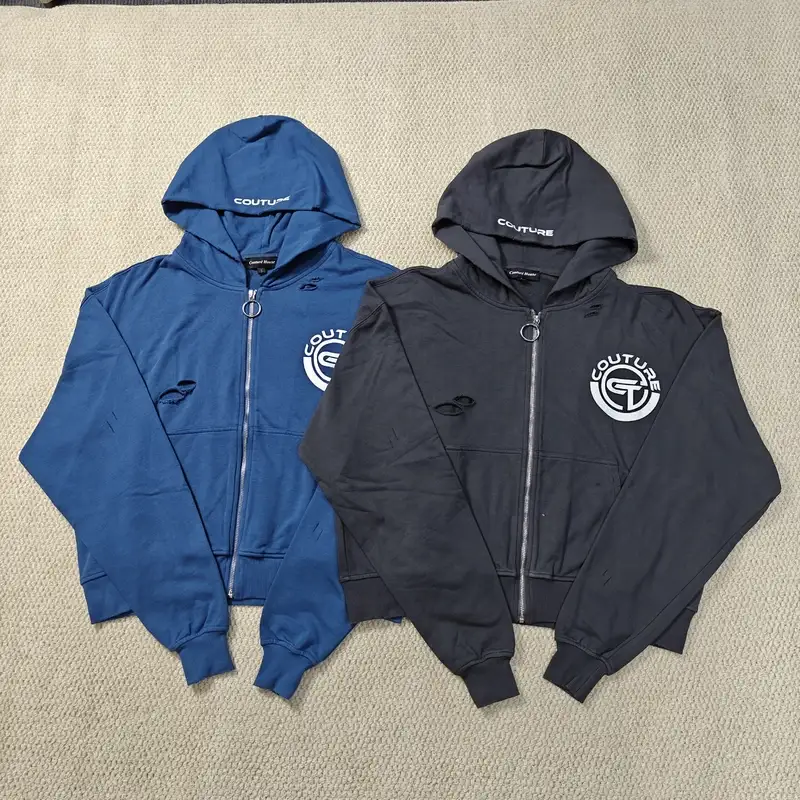
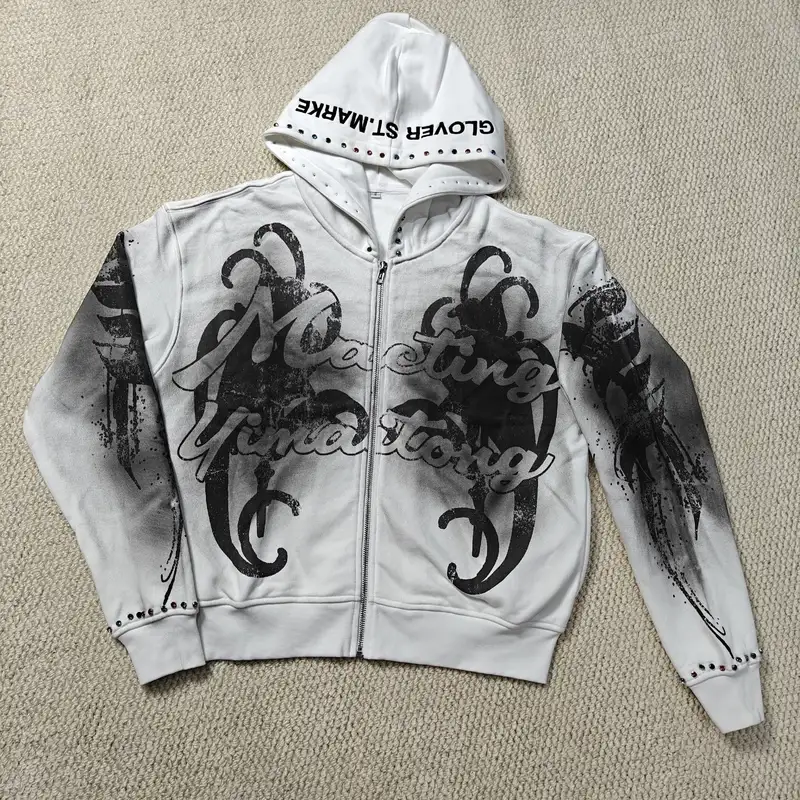
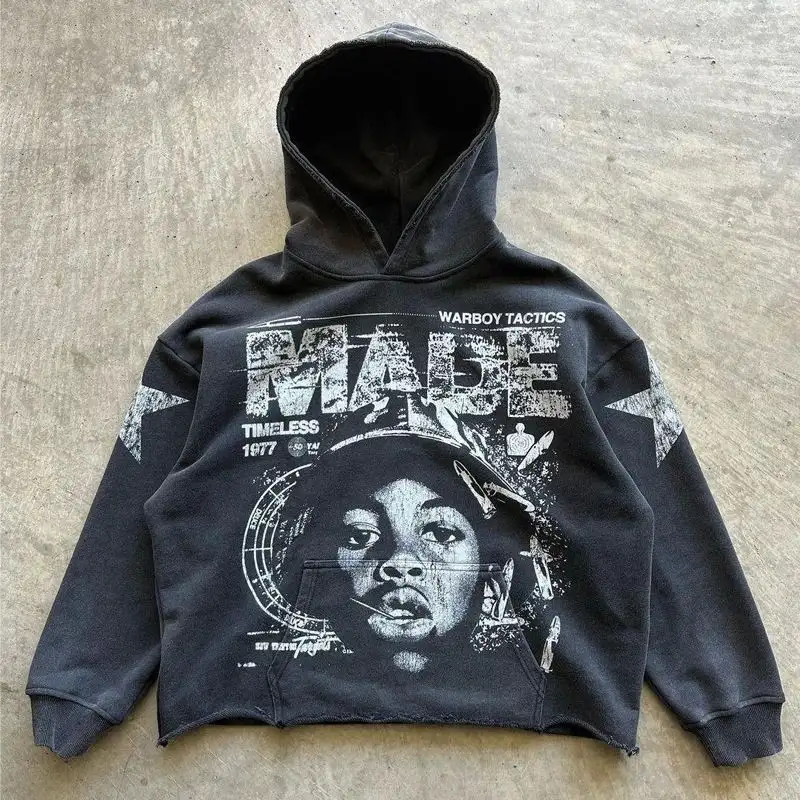
What Makes a Hoodie or Sweatshirt DTG-Ready?
Not every blank is built for DTG. The process requires the ink to bond with cotton fibers, which is why fabric content is the most important starting point.
100% cotton is the gold standard for DTG printing. Cotton absorbs the water-based inks used in DTG printers easily, resulting in vibrant colors, sharp detail, and durable prints that hold up wash after wash.
Cotton-polyester blends can also work, but results depend heavily on the cotton ratio. A 50/50 blend will produce softer colors and slightly less vibrancy. Anything below 50% cotton typically results in dull prints, especially on dark garments.
Tri-blends (cotton, polyester, rayon) produce a vintage, slightly faded look. If that’s your aesthetic, they can work well but they’re not ideal if you need maximum color saturation.
Beyond fabric content, GSM (grams per square meter) also matters. A heavier garment, typically 280 GSM to 380 GSM for hoodies, holds ink better and feels more premium. Thinner blanks can result in ink bleeding or uneven absorption.
Pre-treatment is another factor to understand. DTG printers apply a pre-treatment solution to dark garments before printing. For this to work correctly, the blank needs to have a smooth, consistent surface. Garments with heavy texture, raised patterns, or inconsistent weaving are harder to pre-treat evenly.
Why Your Blank Choice Affects Print Quality
The print is only as good as the surface it lands on.
High cotton content allows ink to absorb deeply into the fiber rather than sitting on top. This means better color accuracy, softer hand feel after curing, and prints that don’t crack or peel over time.
A tight, smooth weave also gives the print head more consistent contact with the fabric. Loose or open-knit fabrics cause ink to spread unpredictably, which softens edges and reduces detail in your design.
For dark garments, a high-quality white underbase is applied before the color layer. If the fabric has inconsistencies uneven dye lots, mixed fiber patches the underbase won’t lay flat, and your final print will show it.
This is why sourcing from a reliable wholesale supplier matters. Consistent quality across every unit in a bulk order is just as important as the quality of any single piece.
When you’re ordering wholesale hoodies and sweatshirts for DTG, look for blanks that are:
- Made from 100% ring-spun or combed cotton (or at least 80%+ cotton)
- Pre-shrunk to reduce post-wash size variation
- Available in consistent dye lots across sizes
- Cut with a flat chest panel to allow proper platen placement
Key Fabric and Construction Features to Compare
When evaluating blanks for DTG, it helps to compare them side by side across the features that matter most.
Wholesale Hoodie & Sweatshirt Types for DTG Printing
| Garment Type | Best Fabric for DTG | Ideal GSM | Print Vibrancy | Best Use Case |
|---|---|---|---|---|
| Pullover Hoodie | 100% cotton / 80-20 blend | 300–380 GSM | High | Custom streetwear, merch drops |
| Zip-Up Hoodie | 100% cotton / fleece lined | 280–360 GSM | High | Branded apparel, retail lines |
| Crewneck Sweatshirt | 100% cotton / French terry | 260–340 GSM | Very High | Event merch, uniforms, print-on-demand |
| Lightweight Hoodie | Cotton-poly blend (60-40) | 220–280 GSM | Medium | Spring/summer collections |
| Oversized Hoodie | 100% combed cotton | 320–400 GSM | High | Streetwear, premium brand labels |
| Crop Hoodie | 100% ring-spun cotton | 280–340 GSM | High | Women’s collections, athleisure |
The crewneck sweatshirt consistently performs best for DTG because it offers a flat, uninterrupted print surface across the chest and back. Without a hood or zipper breaking the panel, the platen sits flush and the print head has full, even access.
Pullover hoodies are a close second. The chest area is clean for front prints. Back prints can be slightly more complex due to the hood laying over the upper back, but experienced DTG operators manage this well.
Zip-up hoodies require either printing on one panel at a time (left or right chest) or working with a split-design approach. They’re more versatile in terms of wear, but require more setup for full chest prints.
Common Mistakes to Avoid When Ordering Blanks for DTG
Choosing polyester-heavy blends to save money.
Polyester repels water-based inks. A lower fabric cost doesn’t make sense if every print comes out muted and dull. Stick to high-cotton options, especially for your primary product lines.
Ignoring GSM on wholesale orders.
A 180 GSM hoodie might look fine as a sample, but it will feel flimsy, show through on light colors, and absorb ink unevenly. For hoodies specifically, anything under 260 GSM is a risk for DTG quality.
Not ordering sample units before bulk production.
Different suppliers have different spinning techniques, dye consistencies, and finishing processes. Always run a test print before committing to a bulk wholesale order, even with familiar styles.
Mixing blank sources across a single order.
Using garments from two different manufacturers even if they’re nominally the same style can lead to inconsistent pre-treatment results and color variation between units.
Forgetting about shrinkage.
Pre-shrunk garments are essential for DTG. If a garment shrinks after printing, the design warps and cracks. Always confirm that your wholesale blanks are pre-shrunk or have been through a sanforizing process.
Overlooking the importance of consistent sizing.
When printing in bulk across multiple sizes, the blank should scale proportionally so your design placement stays consistent from an XS to a 3XL.
Best Practices for Getting the Most Out of DTG on Hoodies
Always pre-treat dark garments. For any garment darker than medium grey, a white underbase is necessary for color accuracy. The quality of your pre-treatment solution and the evenness of the spray both affect final print quality.
Use the right platen for each garment style. A standard hoodie platen may not work for a zip-up or an oversized blank. Match your platen to the garment type to keep the fabric taut and flat during printing.
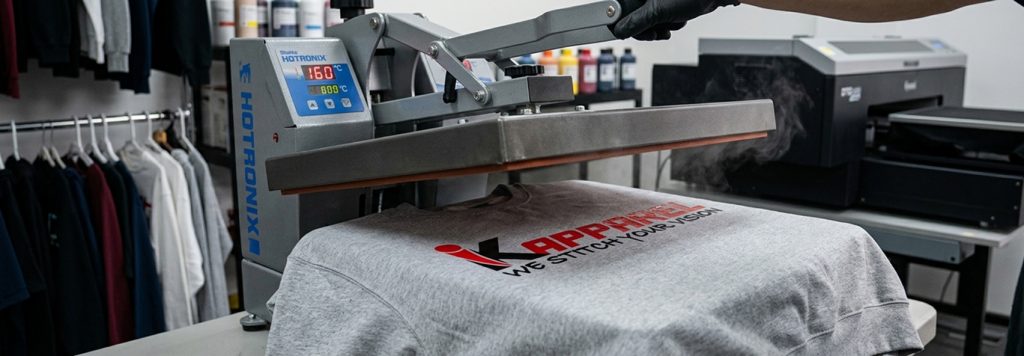
Cure the print properly. DTG prints need to be heat-cured after printing to bond the ink to the fiber. A heat press set to the right temperature and pressure for the specific fabric type ensures the print lasts wash after wash. This is especially important when working with wholesale hoodies and sweatshirts for DTG printing, as proper curing helps maintain print quality and durability.
Test wash before finalizing artwork. Run at least three wash cycles on your test prints before approving designs for bulk production. This tells you whether the garment, ink, and curing process are all working together correctly. Testing is particularly valuable when using a blank white hoodie, best blank hoodies, or high quality blank hoodies for printing to ensure consistent results across every piece.
Design with DTG in mind. Highly detailed artwork, gradients, and photographic prints all perform well with DTG. However, designs with large solid fill areas can sometimes show cracking if the fabric isn’t ideal. To achieve the best results, choose the best wholesale sweatshirts for DTG printing and discuss your artwork with your decorator before production. Premium-quality garments provide a smoother printing surface and help your designs stand out.
If you’re exploring multiple decoration methods alongside DTG, such as adding embroidery, puff print, or heat transfer elements to the same garment, partnering with a decorator who offers multiple services under one roof keeps your workflow clean and consistent. Many brands choose IKApparel custom hoodies because they combine premium fabrics, reliable construction, and customization options, making them an excellent choice for DTG and other apparel decoration techniques.
How to Choose the Right Wholesale Hoodie or Sweatshirt for Your Brand
Your choice of blank depends on three things: your audience, your price point, and your print style.
For premium streetwear or private label brands, choose a 100% combed or ring-spun cotton hoodie at 320 GSM or above. The heavier weight reads as higher quality to customers and holds ink beautifully. Pair this with DTG printing for photographic artwork or complex multi-color designs, and consider adding custom labels and packaging to complete the premium feel.
For print-on-demand stores, focus on blanks that are consistent across large size runs, have minimal fabric variation, and are widely available so you can reorder reliably. Crewneck sweatshirts and classic pullover hoodies work best for this use case.
For event merch or team orders, a mid-weight cotton-poly blend (at least 60% cotton) is often the right balance of cost, comfort, and print quality. If you need names or numbers alongside your DTG graphics, explore services like Team Personalization to combine decoration techniques efficiently.
For women’s collections or athleisure lines, crop hoodies and lighter-weight fleece options work well. Make sure the cotton ratio remains high enough for DTG vibrancy, and test your design placement on the cropped silhouette before bulk production.
When working with a wholesale supplier, ask about:
- Minimum order quantities per style and color
- Whether blanks come pre-treated or need treatment on your end
- Fabric certifications (OEKO-TEX, GOTS, etc.) if sustainability matters to your brand
- Consistency guarantees across dye lots for large orders
Taking time at the sourcing stage prevents costly reprints and quality issues later.
Frequently Asked Questions About DTG Printing on Hoodies and Sweatshirts
What fabric content is best for DTG printing on hoodies?
100% cotton is the best choice for DTG printing. It absorbs water-based inks effectively, produces vibrant colors, and holds up well through repeated washing. Cotton-polyester blends with at least 60–80% cotton can also work, but expect slightly reduced vibrancy compared to 100% cotton.
Can you DTG print on polyester hoodies?
Standard DTG printing does not work well on polyester-heavy fabrics. Polyester repels the water-based inks used in DTG printers, resulting in dull, washed-out prints that fade quickly. If you need to print on polyester garments, sublimation printing is a better option for that fabric type.
What GSM should a hoodie be for DTG printing?
For hoodies, a GSM between 280 and 380 is ideal for DTG. This weight range provides enough fabric density for proper ink absorption and gives the finished garment a premium feel. Lighter hoodies under 260 GSM may produce uneven print results and feel less durable.
Do zip-up hoodies work for DTG printing?
Yes, but they require a different setup than pullover hoodies. Because the zipper divides the front panel, full-chest designs need to be split between the two sides, or the print must be repositioned to one panel. Many decorators handle this with specialized platens and garment positioning techniques.
Is DTG or screen printing better for hoodies in bulk orders?
For large bulk orders of a single design, screen printing typically offers lower per-unit costs and excellent color consistency. DTG is a better choice for short runs, full-color or photographic artwork, or orders that include personalization. Many brands use both methods depending on the specific order requirements.
Final Thoughts
The blank is the foundation of every DTG print. Choosing the right wholesale hoodie or sweatshirt based on fabric content, GSM, weave, and construction directly determines whether your prints look sharp and last, or fade after a few washes.
Start with 100% cotton or high-cotton blends, prioritize consistent quality across your wholesale orders, and always test before scaling up. Pair that with the right decoration approach, and your finished products will reflect the effort you put into sourcing.
If you’re ready to explore custom-decorated hoodies and sweatshirts for your brand, browse our full range of DTG Print Hoodies and Sweatshirts to find the right blank for your next project.
1 thought on “Best Wholesale Hoodies and Sweatshirts for Direct-to-Garment (DTG) Printing”